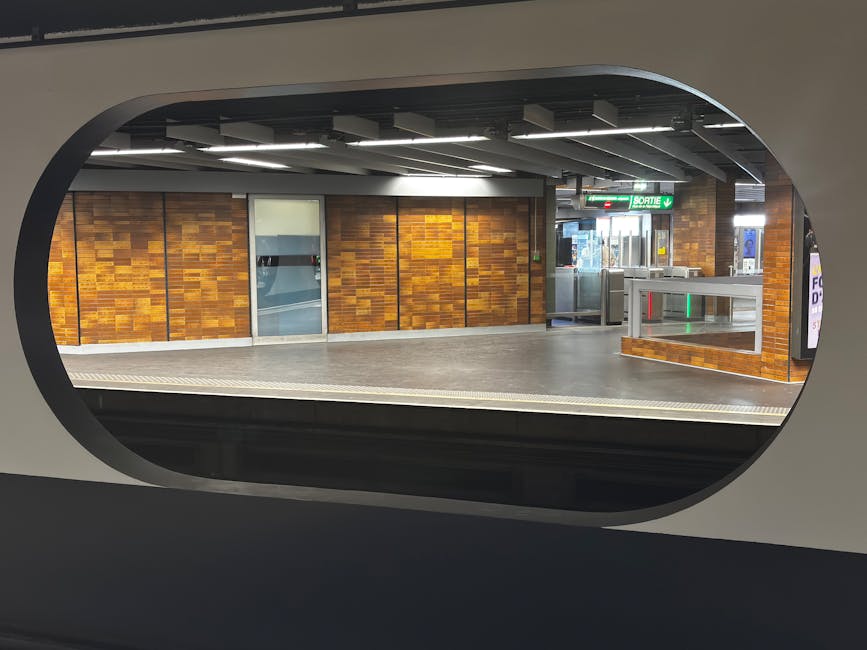
Kenton station quick rubbish clearance for commuters
If you have ever carried a bag of broken bits, an old office chair, or a box of odds and ends through a busy station area, you will know the feeling: it slows everything down. Kenton station quick rubbish clearance for commuters is about removing that hassle fast, so your journey stays simple, tidy, and on time. Whether you are heading home after work, changing trains with a load of unwanted items, or trying to clear clutter before it turns into a bigger problem, the right service can save time and a fair bit of stress.
This guide explains how commuter-focused rubbish clearance works around Kenton, why speed matters, what to expect, and how to avoid the usual mistakes. It also covers practical steps, best practice, and the kind of service features that make a real difference when you are juggling a train ticket, a heavy bag, and not much spare time. Let's face it, nobody wants waste management to become the main event of the day.
Table of Contents
- Why Kenton station quick rubbish clearance for commuters Matters
- How Kenton station quick rubbish clearance for commuters Works
- Key Benefits and Practical Advantages
- Who This Is For and When It Makes Sense
- Step-by-Step Guidance
- Expert Tips for Better Results
- Common Mistakes to Avoid
- Tools, Resources and Recommendations
- Law, Compliance, Standards, or Best Practice
- Options, Methods, or Comparison Table
- Case Study or Real-World Example
- Practical Checklist
- Conclusion
- Frequently Asked Questions
Why Kenton station quick rubbish clearance for commuters Matters
Commuters live by the clock. A five-minute delay can turn into a missed connection, a late arrival, or a stressful dash across the platform. That is why quick rubbish clearance near a station is not just a convenience; it is a practical service that fits real travel patterns. People often need to dispose of items at the end of a commute, between a flat move, after an office clear-out, or when they are carrying waste that is too awkward for a normal bin.
Kenton station has the kind of rhythm many London stations share: steady footfall, people in a rush, and very little patience for clutter. Quick clearance helps keep pavements, building entrances, shared spaces, and vehicle access points tidy. It also reduces the chance that bulky waste sits around for days, which can make a small problem look worse than it is. A half-sorted pile of rubbish outside a property never looks great, even if it started with good intentions.
There is also a safety angle. Bags left in walkways, loose packaging, and broken furniture parts can create trip hazards. In wet weather, they become even more awkward. If you are trying to move items before catching a train, speed matters, but so does proper handling. That combination is exactly what commuter-friendly rubbish clearance should deliver.
For businesses, landlords, tenants, and local residents alike, the goal is simple: clear waste quickly without disrupting the day. If you need broader support beyond a one-off commuter clear-out, services such as waste removal or business waste removal can help with larger or repeated needs, while a more targeted service may be enough for smaller one-off jobs.
How Kenton station quick rubbish clearance for commuters Works
The process is usually straightforward, which is part of the appeal. In most cases, you contact the provider, explain what needs removing, and choose a time that fits your commute window. The team then arrives, assesses the waste, and clears it as efficiently as possible. If the items are already grouped together and easy to access, the job tends to move faster. Simple, really. The less hunting around, the better.
A commuter-focused clearance often works best when the waste is:
- already bagged or boxed
- kept near an exit or ground-floor pickup point
- split into general rubbish, recyclable items, and any special waste
- described clearly in advance so the right vehicle and crew can be sent
For heavier or awkward items, the team may need to move through communal areas, stairwells, or narrow paths. That is where experience counts. Good operators plan for access, parking, and loading before the appointment rather than after they arrive and start scratching their heads. If you are dealing with furniture, you may also want to look at furniture disposal or furniture clearance for larger household items.
A quick clearance service should also be clear about what it cannot take. Hazardous items, for example, need special handling. If you are unsure whether a particular item qualifies, check the service options and ask in advance. It is much better to ask a plain question early than to be stuck with an item you thought would go in the van but cannot.
Expert summary: The best commuter rubbish clearance is the kind that removes friction, not just waste. Fast response, clear communication, and sensible handling matter more than flashy promises.
Key Benefits and Practical Advantages
The biggest benefit is obvious: time saved. But there is more to it than speed. A good commuter clearance service can improve how your day feels from the moment you leave the station. You are not dragging a bulging bag through a crowded concourse. You are not trying to work out where to leave a broken shelf while your train is boarding. It just disappears, cleanly and efficiently.
Here are the main advantages people usually notice:
- Less stress: You can get on with work, home life, or your onward journey without carrying unnecessary clutter.
- Better safety: Removed waste means fewer trip hazards and less obstruction in shared spaces.
- Cleaner surroundings: Rubbish is not left around station-adjacent streets, entrances, or foyers.
- More flexible timing: Commuter schedules often need early, late, or narrow time windows.
- Responsible disposal: A reputable service will separate recyclable materials and manage waste properly.
There is also a psychological benefit, if that is not too grand a way to put it. A cleared space feels lighter. You walk away knowing the job is done, rather than thinking about it for the next three days. That small sense of order can be surprisingly valuable when the rest of the day is already full.
If your items include bulky household waste, such as a mattress or a sofa, a specialist option may be more practical than trying to manage it alone. In that case, mattress and sofa disposal can be a useful fit. For appliances, especially heavy or awkward ones, fridge and appliance removal is often the safer route.
Who This Is For and When It Makes Sense
This type of service is not only for businesses or big clear-outs. In practice, it suits a wide range of people, especially anyone moving through Kenton station who wants a rapid, no-fuss solution.
It makes sense if you are:
- a commuter clearing out a few bulky items from a flat after work
- a tenant leaving a property and trying to finish quickly before a handover
- a landlord or agent dealing with leftover rubbish between tenancies
- a small business owner with overflow waste near a station-based office
- someone coming back from a declutter weekend with more waste than expected
- working on a light refurb and need fast removal of packaging or old fittings
It is also useful if you only have a short window. Maybe you are arriving at 7:30 in the morning, or you are back at 6:45pm and want the waste gone before the next day. That narrow window is exactly where a well-organised clearance can feel like a lifesaver. Not dramatic, just practical.
For office-related needs, a service such as office clearance can help when desks, chairs, paperwork, or general office clutter builds up. If the item is confidential rather than bulky, confidential shredding is the safer, more sensible choice.
Step-by-Step Guidance
Here is a simple way to make the process smooth from the start. If you follow these steps, you will usually avoid the common delays and awkward last-minute surprises.
- Identify the waste clearly. Separate general rubbish, recyclables, furniture, appliances, and anything potentially hazardous.
- Check access. Decide where the team can park, load, and move items without blocking others.
- Group items together. Bags, boxes, and loose waste are quicker to handle when they are already organised.
- Share useful details in advance. Mention stairs, lifts, narrow entrances, or any awkward items that need two people.
- Choose a time that fits your commute. A clear arrival window reduces stress and helps you stay on schedule.
- Confirm what happens after collection. Ask how the waste will be sorted, recycled, or disposed of.
- Keep your paperwork or payment details handy. That sounds obvious, but in a rush, simple things get forgotten.
If you are dealing with a broader household clear-out rather than just a few commuter items, services like house clearance, home clearance, or flat clearance may be more suitable. For lofts, garages, and garden overflow, the more specific options are often easier to plan around.
A small but important note: keep a quick list on your phone of what is going. It is odd how often a person remembers the main sofa and forgets three heavy bags plus a lamp base. Happens all the time.
Expert Tips for Better Results
After you have seen enough clearances, a few practical habits stand out. They are not complicated, but they make a noticeable difference.
- Photograph the waste before booking. This helps avoid misunderstandings and makes it easier to estimate the load.
- Break items down where safe. A dismantled shelf or flat-pack frame is usually easier to remove than one awkward lump.
- Keep recyclable materials separate. Cardboard, metal, and clean plastics are easier to sort when they are not mixed with general waste.
- Plan for wet weather. A soggy bag or slippery path near a station can slow everything down.
- Use clear labels if you are leaving items for collection. It sounds basic, but it helps avoid confusion in shared buildings.
Another useful tip is to think in terms of flow. Where will the waste move from, and where will it exit? The best clearances are almost invisible to other people because the route is already thought through. That is especially helpful around stations, where people are coming and going all the time and nobody wants a bottleneck.
If the job involves a lot of mixed material, you may want to review what belongs in different disposal streams. A useful reference point is the site's guidance on what can go in a skip, which can help you understand what is generally accepted and what needs separate handling.
Common Mistakes to Avoid
Most problems with quick rubbish clearance come from rushed planning, not from the clearance itself. That is the good news. The bad news is that rushed planning is very common when people are trying to catch a train.
Watch out for these mistakes:
- Leaving everything until the last minute. If the collection needs access or sorting, a few extra minutes matter.
- Not checking whether items are restricted. Hazardous or specialist waste should not be assumed to be standard rubbish.
- Forgetting access details. A blocked driveway, locked gate, or narrow staircase can slow things down.
- Mixing valuable items with waste. It sounds silly, but keys, documents, chargers, and work passes get thrown out more often than people admit.
- Assuming all clearances are the same. A station-adjacent, fast-turnaround job is different from a relaxed household clearance.
One more thing: do not overfill bags. Overpacked sacks tear at the worst possible time, usually right when you are moving quickly. It is one of those small annoyances that turns into a messy half-hour. Nobody needs that.
Tools, Resources and Recommendations
You do not need much equipment for a smooth clearance, but a few basic tools make the process easier. Think less "professional toolkit", more "sensible preparation".
- Heavy-duty bags or bins: Helpful for compacting loose waste safely.
- Gloves: Useful for protection when handling sharp or dusty items.
- Strong tape and labels: Good for bundling lightweight materials or marking what is to be taken.
- Phone camera: Great for showing the waste before the team arrives.
- Lift access information: If your building has one, note whether it is in working order.
From a service perspective, a few site pages are worth understanding before you book. If you are comparing larger solutions, pricing and quotes can help you prepare for the likely cost structure. If you want a straightforward booking route, book online may be the simplest next step.
For business users, waste can quickly become more than an occasional inconvenience. In that case, business waste removal is often the better fit than a one-off domestic service. And if the job involves renovation debris, the more specialised builders waste clearance page is worth a look.
Law, Compliance, Standards, or Best Practice
Waste clearance in the UK should be handled carefully and lawfully. You do not need to be an expert in regulations to book a service, but you should expect the provider to operate responsibly. That usually means using proper disposal routes, handling restricted items safely, and avoiding fly-tipping. Any service that seems vague about where waste goes should make you cautious. A bit of healthy scepticism is sensible here.
For commuters and local residents, the practical best practice is simple:
- Do not leave waste where it obstructs public access.
- Separate ordinary waste from hazardous or specialist items.
- Use a provider that can explain its disposal approach in plain English.
- Keep records or receipts if you need proof of legitimate removal.
If you are disposing of anything sharp, contaminated, electronic, or chemical-based, ask for advice before moving it. Items such as old fridges, certain appliances, or materials that may pose risk deserve extra care. The same applies to anything that could be classed as hazardous waste. Better safe than sorry, honestly.
For reassurance on safety and operational standards, it can also help to review pages such as health and safety policy, insurance and safety, and recycling and sustainability. Those pages give you a better sense of how the service approaches risk and responsible disposal.
If your waste includes items that need extra handling, hazardous waste disposal is the right place to start rather than guessing. That one decision can save a lot of trouble later.
Options, Methods, or Comparison Table
There are a few ways commuters usually deal with rubbish, and each one suits a different situation. The right choice depends on volume, timing, item type, and how much lifting you want to do yourself.
| Option | Best for | Pros | Drawbacks |
|---|---|---|---|
| Self-carry to local bins | Very small amounts of light waste | Cheap, immediate | Slow, awkward, not suitable for bulky items |
| Skip-based disposal | Larger household or renovation waste | Useful for bigger loads, flexible fill-up | Needs space, planning, and the right contents mix |
| Commuter-focused rubbish clearance | Fast removal near a station or tight time window | Convenient, time-saving, minimal disruption | Usually more costly than doing it yourself |
| Specialist item removal | Appliances, furniture, mattresses, or sensitive waste | Safer, more appropriate handling | May need item-specific booking |
For many commuters, the middle two options are the real contenders. If you only have a few bagfuls, a fast clearance service can be simpler than wrestling with transport and waste rules on your own. If you have more substantial waste, it may be worth comparing that with a suitable skip approach. The page on what can go in a skip helps clarify what fits that model, which is often where people get stuck.
There is no single best option for everyone. The best option is the one that fits your timing and does not create extra journeys, extra lifting, or extra stress. That's the real test.
Case Study or Real-World Example
Imagine a commuter finishing a long week and finally deciding to clear the spare room in a Kenton flat. There is a broken bedside table, two boxes of old paperwork, a sagging chair, and a pile of packaging from a recent furniture delivery. The person has a train to catch, a narrow hallway, and no appetite for multiple trips to a local tip.
Instead of trying to deal with it piecemeal, they separate the paperwork for shredding, keep the furniture together, and bag the loose items. The heavier pieces are placed near the front door before the morning rush. A clearance team arrives within the agreed window, checks access, removes the items, and leaves the area tidy. The person makes the train, gets to work, and does not spend the evening staring at a pile of "I'll deal with it later" clutter.
It sounds almost too neat, but that is exactly why these services are popular. Not because rubbish is exciting. Because time is tight, and the ordinary stuff of life needs to move along without fuss.
If the same person also had a small garage or loft build-up, a service such as garage clearance or loft clearance would fit the same logic: fast access, fewer trips, and less weekend disruption.
Practical Checklist
Use this quick checklist before booking or arranging a pickup:
- Have I sorted waste into obvious groups?
- Do I know which items are bulky, fragile, or potentially hazardous?
- Is the collection point easy to reach from the street or entrance?
- Have I checked whether parking or loading space is needed?
- Are there stairs, lifts, or access restrictions the team should know about?
- Have I kept important items, documents, and valuables well away from the waste?
- Do I understand whether the service can take my specific items?
- Have I looked at pricing and timing so there are no surprises?
- Is the booking window realistic for my commute?
- Do I need a specialist service for appliances, furniture, or hazardous waste?
That final point matters more than people think. If the job includes awkward items, it is worth using the more suitable service from the start rather than trying to make a general clearance do everything.
Conclusion
Kenton station quick rubbish clearance for commuters is really about making busy days easier. It gives you a clean way to remove clutter without turning the journey into a logistics exercise. The best services are responsive, careful, and clear about what they can take. They save time, reduce stress, and help keep station-side spaces tidy and safe.
If you are dealing with one heavy item or a mixed load from a flat, office, or household, planning a little ahead makes all the difference. Decide what needs removing, check access, and choose a service that matches the size and type of waste. Small effort upfront, much smoother outcome. Truth be told, that is usually how the best clearances work.
Get a free quote today and see how much you can save.
Frequently Asked Questions
What does quick rubbish clearance for commuters actually mean?
It means a fast, practical waste removal service designed around tight schedules, such as station drop-offs, post-work collections, or short time windows between journeys. The idea is to make rubbish disappear without slowing you down.
Is this type of clearance suitable for one or two bulky items?
Yes, often it is. A single sofa, mattress, chair, or appliance can be more awkward than a full bag of rubbish, so a quick clearance service is often a sensible choice for bulky pieces.
Can I use it for office waste near Kenton station?
Yes, especially if you are dealing with desks, chairs, packaging, or general office clutter. For repeated or business-specific needs, a business waste service is usually the better match.
How should I prepare my rubbish before collection?
Group items together, keep access clear, separate recyclables where possible, and make sure anything sharp, fragile, or restricted is identified in advance. A few minutes of prep can save a lot of faffing around.
What items should I not assume can be taken?
Do not assume hazardous materials, chemicals, or certain specialist waste can be collected as ordinary rubbish. If in doubt, ask before booking so the right handling can be arranged.
Is it better than hiring a skip for commuter rubbish?
It depends on the job. Quick clearance is usually better for smaller, faster, time-sensitive removals, while a skip may suit larger projects where space and loading time are not a problem.
How fast can a commuter rubbish clearance be arranged?
That depends on availability and the size of the job. The key is to give clear information early, because that makes it easier to fit the work into a suitable time slot.
Will the team handle heavy lifting for me?
In many cases, yes, that is part of the service. Still, access matters. If items are upstairs, in a tight hallway, or difficult to move, mention that before the appointment.
What if I only have mixed household waste and no big items?
That can still be suitable for quick clearance, especially if the waste is already bagged or boxed. The service is often most useful when you want everything taken in one go rather than piecing it together yourself.
How do I know the waste will be disposed of responsibly?
Look for a provider that explains its recycling and disposal approach clearly, offers straightforward terms, and has a sensible safety and compliance policy. Transparency is a good sign.
Can I book around my commute time?
That is one of the main benefits. A commuter-friendly service should be able to work around a narrow arrival window, as long as you provide accurate timing and access details.
What is the simplest next step if I need help now?
Gather a quick description or photo of the items, check any access issues, and move towards booking or requesting a quote. Once the basics are clear, the rest tends to be surprisingly smooth.